
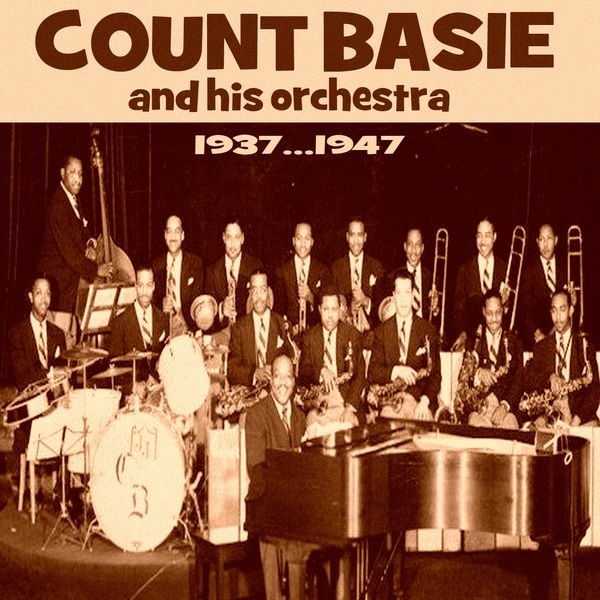
A Jazz Legend
William James “Count” Basie is one of the greatest figures in jazz music history. Along with the orchestra he led, Basie not only created captivating music but also brought significant changes to this genre. Count Basie’s Orchestra is a symbol of resilience, innovation, and unparalleled musical quality. This article will discuss the journey of Count Basie and his orchestra, review their influence in the music world, and delve deeper into the legacy they left behind.
The Early Career of Count Basie
Count Basie: Youth and Inspiration
Count Basie was born on August 21, 1904, in Red Bank, New Jersey. From an early age, Basie showed a great interest in music, especially the piano. He learned from several local musicians and was greatly inspired by the ragtime and stride piano music that flourished during that time.
Journey to Kansas City
Basie began his professional career by joining various small bands before finally settling in Kansas City. It was here that Basie met Bennie Moten, a renowned bandleader who later became Basie’s mentor. After Moten’s death in 1935, Basie took over most of the band members and formed his own orchestra.
The Birth and Rise of Count Basie’s Orchestra
Early Years and Breakthrough
ECount Basie’s Orchestra began gaining national attention in 1936 after their performances in Kansas City nightclubs caught the interest of record producers. In 1937, they signed a contract with Decca Records and released several hit songs, including “One O’Clock Jump” and “Jumpin’ at the Woodside.”arly Years and Breakthrough
Unique Musical Style
One of the main strengths of Count Basie’s Orchestra is their distinctive musical style. Basie was known for his minimalist approach, giving space for soloists to shine. This style, often referred to as “Kansas City Swing,” was very different from other big bands of the time that tended to be more orchestral and heavy.
Star Players in Count Basie’s Orchestra
Lester Young: The Legendary Saxophonist
Lester Young, a tenor saxophonist, was one of the most iconic players in Basie’s orchestra. His soft and melodic playing style was in stark contrast to the hard and aggressive style that dominated at the time. Young provided a unique touch to Basie’s music and became an inspiration for many other saxophonists.
Joe Williams: The Golden-Voiced Vocalist
Joe Williams joined the orchestra in 1954 and quickly became the lead vocalist who brought Basie’s orchestra to a new peak of popularity. With his deep and emotional baritone voice, Williams was able to deliver lyrics in a very touching and memorable way.
Influence and Legacy of Count Basie’s Orchestra
Innovations in Jazz Music
Count Basie’s Orchestra was not only commercially successful but also brought many innovations to jazz music. They were pioneers in the use of recurring “riffs,” providing a strong yet flexible structure for soloists. This innovation later became a standard in big band jazz and influenced many other musicians and bands.
Impact on Popular Culture
Count Basie’s music also transcended genre boundaries and became part of American popular culture. Their songs were often used in films, television shows, and advertisements, making them cultural icons recognized by various generations.
Famous Albums and Recordings
“The Atomic Mr. Basie”
Released in 1958, “The Atomic Mr. Basie” is one of the most famous albums by Basie’s orchestra. This album features energetic compositions and innovative arrangements, making it one of the best works in jazz history.
“April in Paris”
The album “April in Paris,” released in 1956, is also one of the monumental works by Basie’s orchestra. The title track from this album became a big hit and is often considered one of the best performances by the orchestra.
Iconic Concerts and Performances
Carnegie Hall and Newport Jazz Festival
Count Basie’s Orchestra often performed on some of the world’s most prestigious stages, including Carnegie Hall and the Newport Jazz Festival. Their performance at the Newport Jazz Festival in 1957, for example, is considered one of the best performances in the festival’s history.
International Tours
In addition to performing in the United States, Basie’s orchestra also conducted successful international tours. They often performed in Europe, Asia, and South America, introducing jazz music to new audiences worldwide.
Continuity and Evolution of the Orchestra
Successors and New Generations
Although Count Basie passed away in 1984, his musical legacy lives on. Basie’s orchestra continues under the leadership of new music directors, maintaining the same spirit and quality of music. They continue to perform at various events and festivals and record new albums that receive critical acclaim.
Education and Training
In addition to performing, Basie’s orchestra is also active in supporting music education. They often hold workshops and clinics for young musicians, helping to preserve jazz traditions and inspire a new generation.
Conclusion: An Unforgettable Legacy
Count Basie and his orchestra have left a profound mark on the world of jazz music. Through musical innovation, captivating performances, and a commitment to quality, they have changed the way we hear and understand jazz. Their legacy will continue to live on, inspiring musicians and listeners from various generations to celebrate the beauty and richness of jazz music. Count Basie & His Orchestra is not just a name but an eternal icon in music history.